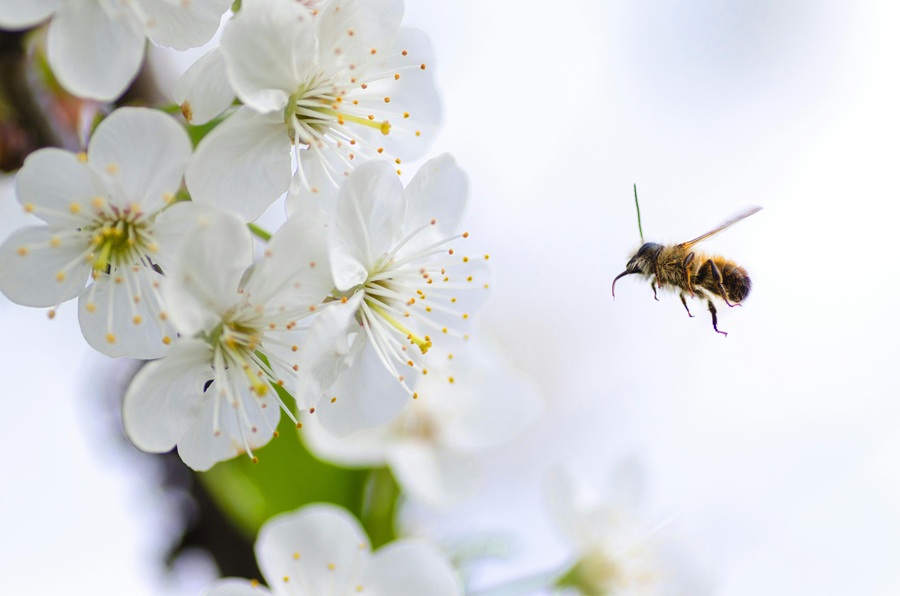
Bees are more than just buzzing insects; they play an essential role in maintaining our ecosystems and supporting global food production.
These small but mighty pollinators contribute to the growth of about one-third of the food we eat, including fruits, vegetables, and nuts.
Unfortunately, bee populations are facing an alarming decline due to habitat loss, pesticide use, disease, and climate change.
The good news? You have the power to make a difference! Here are ten simple yet impactful ways to help bees thrive, whether in your garden or throughout your community.
1. Create a Bee-Friendly Garden
Transforming your garden into a haven for bees is one of the most effective ways to support them. Start by planting native flowers that provide ample nectar and pollen throughout the growing season.
Choose colorful plants like coneflowers, bee balm, and lavender. Group these blooms together in clusters, as it makes it easier for bees to locate food.
Additionally, ensure you have flowers that bloom at different times of the year so that bees can access food from early spring to late fall.
2. Let Some Areas Go Wild
Perfectly manicured lawns may be aesthetically pleasing, but they often lack the biodiversity bees need to thrive.
By letting parts of your garden grow wild, you can create natural habitats for ground-nesting bees and other pollinators.
Leave clover or dandelions uncut in certain areas—these plants are critical food sources for bees. Embrace the beauty of wildflowers and allow nature to flourish in its own way!
3. Provide Water Sources
Bees, just like humans, need water to survive.
Add a safe water source to your garden by placing shallow dishes filled with water and adding pebbles or stones so that bees can land safely without the risk of drowning.
This simple addition is particularly helpful during the hot summer months when water sources are often scarce.
4. Reduce Pesticide Use
Pesticides are a significant factor contributing to the decline in bee populations.
Learn about the harmful effects of chemical pesticides on pollinators and explore organic alternatives or natural pest management methods.
If pesticides are absolutely necessary, apply them in the evening when bees are less active, and opt for products labeled as bee-friendly.
5. Support Local Beekeepers
Buy from local beekeepers who practice sustainable methods, much like those in solar energy practices that help the environment.
Local beekeepers often prioritize the health of their hives and adopt methods that are far less harmful to bees compared to large-scale commercial operations.
Check out your local farmer’s market or specialty shops for fresh, locally sourced honey!
6. Participate in Community Initiatives
Get involved with local conservation efforts or community gardens dedicated to promoting pollinator health.
Many organizations host events aimed at creating pollinator-friendly spaces or educating the public about the importance of bees.
By volunteering, you not only contribute to the cause but also build connections with others who share your passion for conservation.
7. Educate Others
Knowledge is power, and spreading awareness about bee conservation can amplify efforts to protect them.
Share what you’ve learned with friends, family, and your social media followers. Host small gatherings or workshops to discuss why bees matter and how everyone can take steps to support them.
The more people understand the challenges bees face, the greater the collective action that can be taken.
8. Create Nesting Sites
Not all bees live in hives—many are solitary and nest in small cavities or bare soil.
You can support these species by creating nesting habitats with materials like bamboo tubes or wooden blocks drilled with small holes.
Leaving patches of bare soil in your garden also provides ideal nesting spots for ground-nesting bees.
9. Advocate for Pollinator-Friendly Policies
Engage with your local government to promote policies that protect pollinators and encourage sustainable land use.
Attend town hall meetings or write letters advocating for bee-friendly initiatives, such as reducing pesticide use in public spaces or planting more native greenery.
Your voice can help drive meaningful change for pollinators in your community.
10. Join Citizen Science Projects
Participating in citizen science projects is a fun and educational way to support bee conservation. Many organizations offer programs where you can help monitor bee populations and submit your observations, and these activities can even be enjoyed during walks with your dog. Whether you’re out exploring parks or gardens with your pet, many dog breeds enjoy the exercise and outdoor time while you take note of bee activity around plants and flowers. The information you collect is invaluable for researchers working to understand trends and develop strategies to protect bees.
Let’s Get Buzzing: Building a Brighter Future for Bees
Every small effort adds up when it comes to safeguarding our invaluable pollinators! By incorporating even a few of these practices into your daily life, you can have a significant impact on bee populations both locally and beyond.
Supporting bees goes beyond planting flowers—it’s about creating a healthier, more sustainable environment where they can thrive alongside us.
So, let’s get buzzing! Whether you’re adding flowers to your garden or advocating for change in your community, every action counts.
Together, we can ensure a brighter future for bees, the environment, and generations to come. Let’s create a world where these vital pollinators flourish!
Related video:
This post is generated by chatgpt