Hook
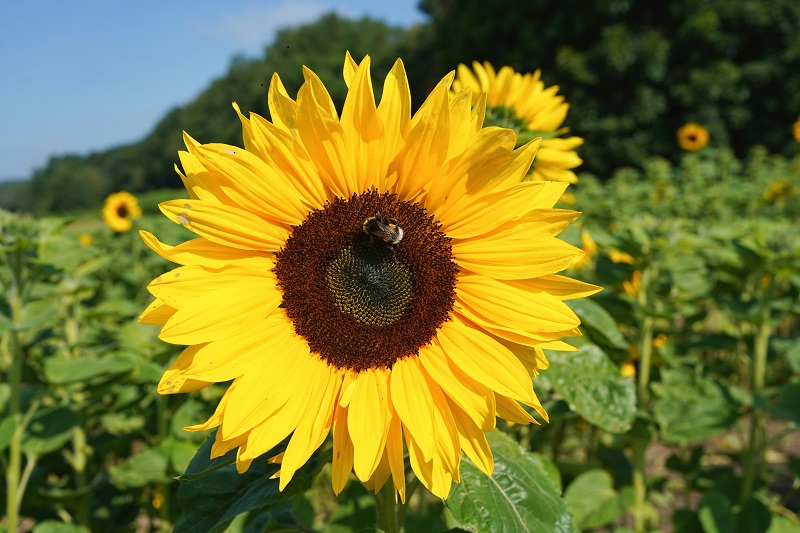
Picture this: a garden alive with soft buzzing and color, where bees hum like a tiny afternoon orchestra, flitting from bloom to bloom through every season. Creating that magical, bee-friendly garden isn’t complicated, it just takes a bit of seasonal planning with native plants. With the right mix, you can build a low-maintenance, vibrant haven that provides nectar and pollen from spring’s first thaw to winter’s quiet chill. This guide offers an easy, inspiring roadmap to transform any space into a buzzing, year-round pollinator paradise
Why Native Plants Matter
Native plants are nature’s perfect partners for local bees. They’ve evolved side by side with regional pollinators, meaning they offer exactly the kind of forage, nectar and pollen, that these bees need throughout their life cycles. They also thrive with minimal effort because they’re adapted to your area’s soil, rainfall, and weather.
By planting a diverse, season-spanning mix, you’ll attract all kinds of bee species, mason bees, sweat bees, leafcutter bees, and beyond, while boosting local biodiversity. It’s a win for your garden, the ecosystem, and even your food supply. Native plants strengthen pollination networks, reduce the need for chemicals, and create resilient landscapes that handle drought, heat, and cold with grace.
Season-by-Season Planting Guide
Spring Selections , The Early Nectar Kick-Off
- Lupine (Lupinus spp.) – Bright, vertical blooms that double as nitrogen fixers. Early nectar magnets for many bee species. Thrive in sun to partial shade with well-drained soil.
- Phacelia (Phacelia spp.) – Fast-growing and nectar-abundant, perfect for early bees. Grows well in sun or light shade and drains easily.
- Milkweed (Asclepias spp.) – A must-have for early-season pollinators and monarch butterflies. Loves full sun and average moisture.
- Prairie Smoke (Geum triflorum) – Wispy, delicate flowers that attract spring bees. Ideal for sunny to lightly shaded spots.
- Serviceberry or local flowering shrubs) – Burst into bloom early, providing crucial pollen for foraging bees. Prefer sun to light shade and moist to well-drained soils.
Early to Mid-Summer Selections , Continuous Color and Forage
- Coreopsis (Coreopsis spp.) – Cheerful daisy-like flowers with a long bloom window. Thrives in sunny, well-drained locations.
- Black-eyed Susan (Rudbeckia spp.) – Tough, adaptable, and full of nectar. Loves full sun and average soil.
- Blazing Star (Liatris spp.) – Tall, dramatic spikes loaded with nectar. Ideal for sunny spots with dry to average moisture.
- Sage (Salvia spp.) – Dense clusters of nectar-rich blooms perfect for extended summer feeding. Prefers sun and well-drained soil.
- Wild Buckwheat (Eriogonum spp.) – Drought-tolerant and long-blooming, great for sunny, lean soils.
- Yarrow (Achillea millefolium) – Flat-topped flower clusters that draw in pollinators of all kinds. Full sun, well-drained soil.
Late Summer to Fall Selections , Closing the Forage Gap
- Goldenrod (Solidago spp.) – A late-season standout offering brilliant color and rich nectar. Prefers sun to part shade, with average moisture.
- Asters (Symphyotrichum spp.) – Crucial for fall pollinators, extending forage season well into autumn. Adaptable to sun or partial shade.
- Joe-Pye Weed (Eutrochium spp.) – Towering blooms that bees can’t resist. Loves moist soils and partial to full sun.
- Bee Balm (Monarda spp.) – Vibrant and fragrant, bursting with nectar. Thrives in sun and rich, well-drained soil.
- Blanketflower (Gaillardia spp.) – Keeps the color going late into the year, offering steady nectar. Best in full sun with well-drained soil.
Winter-Interest Options , Supporting Bees in Mild Climates
- Witch Hazel (Hamamelis spp.) – A rare winter bloomer that provides nectar when almost nothing else does. Likes partial shade and moist soil.
- Mahonia (Berberis spp.) – Evergreen foliage and golden winter blooms. Perfect for shaded spots with good drainage.
- Evergreen natives with pollen) – Offer both shelter and occasional forage in mild winters; species vary by region.
Growth Notes and Quick Tips
- Light & Soil: Most native bee plants love full sun and well-drained soil. Choose drought-tolerant natives for dry areas and flexible species for lean soil.
- Maintenance: Group plants by bloom time to ensure constant nectar availability. Use a light mulch to retain moisture but avoid heavy layers that suffocate roots.
- Establishment: Use locally sourced seeds or plants to improve success. Cluster them for better bee activity.
- Local Fit: Always check native plant societies or local extension resources for recommendations suited to your region’s conditions.
Year-Round Planning Tips
- Succession Planting: Overlap blooms so as one fades, another starts. Keep a mix of early, mid, and late bloomers to prevent forage gaps.
- Microclimates: Plant sun-lovers on south-facing slopes and shade-tolerant species in cooler corners.
- Grouping & Spacing: Cluster plants in groups of 3–5 for a stronger visual and pollinator impact. Bees prefer denser flower patches at heights of 1–6 feet.
- Habitat Layers: Combine tall perennials with low groundcovers and shrubs for nesting and shelter.
- Pest Resilience: A diverse plant mix naturally reduces pests and supports beneficial insects, minimizing the need for chemicals.
How to Get Started in Any Garden
- Start Small: Begin with a 4–6 square meter plot to establish your first native pollinator bed.
- Pick a Mix: Choose a few bloomers from each season, 1–2 for spring, 2–3 for summer, 2–3 for fall, and one for winter if your climate allows.
- Source Locally: Local nurseries or native seed exchanges often carry plants best suited to your region and bees.
- Prep Smart: Only amend soil when necessary. Many natives prefer modest, well-drained conditions.
- Plant in Clusters: Group by species for visual cohesion and higher bee activity.
- Water Wisely: Deep, infrequent watering builds strong root systems.
- Observe & Adjust: Track which plants bees favor and tweak the mix each season.
- Get Involved: Connect with local pollinator networks, community gardens, or native plant societies for region-specific tips.
Reader-Friendly Extras
Bloom Calendar Idea:
A 12-month visual guide showing overlapping bloom times, color-coded by season, to help plan continuous nectar sources.
Quick FAQs:
Q: How many plants do I need to attract bees?
A: Group 3–5 of each species, with multiple species per season.
Q: Can I include non-natives?
A: You can, but natives are best for local bee nutrition and habitat health.
Q: When will bees show up?
A: Usually within your first season, by year two, you’ll see a thriving, diverse bee community.
Closing Thoughts
A year-round native bee garden isn’t just a visual delight, it’s an ecosystem in motion. By planning seasonally and planting thoughtfully, you’ll create a sanctuary that hums with life from spring through winter. Whether you’re starting with a few pots or a full backyard, each bloom helps sustain your local bee population, and brings the magic of nature right to your doorstep.
So dig in, plant local, and let the buzzing begin!
This post is generated by ChatGPT!