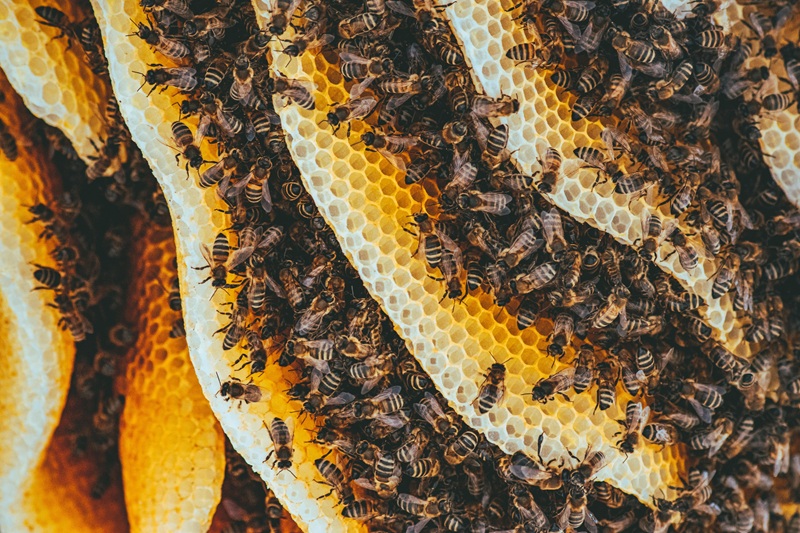
Beekeeping is one of those rare hobbies that’s not only deeply rewarding but also incredibly important for the planet. But keeping a colony happy and thriving? That takes a little know-how and a lot of attentiveness. A hive is like a living, breathing community, and just like any community, there are clear signs when things are going well (and red flags when they’re not).
By learning the vital indicators of a healthy hive, you’ll feel more confident as a beekeeper, boost honey production, and protect your bees from common threats. This guide walks you through the must-know signs of hive health so that every inspection feels more like discovery than duty.
The Queen: The Beating Heart of the Hive
Every strong hive revolves around its queen. She’s the one laying thousands of eggs, releasing powerful pheromones, and keeping the entire colony in sync. Spotting her during inspections can feel like striking gold, but even if you don’t see her, you can often read her presence in other ways. A solid, well-packed brood pattern and an army of active worker bees usually mean she’s doing her job beautifully. If she’s marked, even better, you’ll find her more easily. But beware: a queenless hive loses its balance quickly. If you suspect your hive is missing its leader, requeening becomes a top priority.
Bee Traffic and Behavior: The Colony’s Pulse
One of the simplest ways to gauge hive health is to just watch the entrance. A lively, healthy hive is buzzing with activity, especially on warm, sunny days. Foragers return with brightly colored pollen baskets on their legs, proof that the surrounding area is rich in food sources. The bees should seem calm but busy, working with purpose. If you notice aggression, sluggishness, or unusually low traffic, your hive might be stressed or unwell. Think of this as checking the colony’s pulse, it should beat strong and steady.
Brood Pattern: The Colony’s Future
Inside the hive, the brood pattern tells you what tomorrow looks like. A healthy brood should be solid and consistent, with only a few empty cells scattered across capped pupae and developing larvae. This signals that the queen is laying evenly and the workers are caring for the young efficiently. On the other hand, irregular or patchy brood could point to a weakening queen, pests, or disease. The brood is literally the future of your colony, so keeping a close eye here is key.
Food Stores: Honey and Pollen for Strength
A thriving hive is never short on food. During inspections, check for honey reserves and pollen stores. Pollen, often packed into cells as colorful “bee bread”, is the protein source that fuels young larvae and adult bees. Honey, of course, is the colony’s energy stockpile, especially crucial for surviving the colder months. A healthy hive usually keeps both in balance. If you notice stores running low, don’t wait, consider supplementing to prevent your bees from going hungry.
A Clean and Tidy Hive: Nature’s Housekeeping
Believe it or not, bees are neat freaks. A well-kept hive with clean comb and little debris signals that your bees are practicing good hygiene. This housekeeping instinct helps them manage pests and fend off disease naturally. Watch out for anything unusual, wax moth tunnels, moldy frames, or foul smells. These can be early signs of trouble. Bees will even remove sick brood and carry out dead bees, keeping the colony fresh and functional.
Troubleshooting: Red Flags to Catch Early
Even healthy hives can run into issues, so it pays to recognize warning signs before they snowball. Be on the lookout for:
- Irregular or sunken brood caps
- Piles of dead or sick bees at the entrance
- Strange or foul odors (a big red flag for infections like American foulbrood)
- Pests like Varroa mites or hive beetles crawling around
- Drops in bee activity or sudden surges of aggression
Catching these signs early gives you the chance to act fast and protect your colony.
Tips for Stress-Free Hive Inspections
Inspections don’t have to feel overwhelming. A few simple habits make them smoother and more effective:
- Use your smoker sparingly to calm the bees.
- Pick warm, calm days when the bees are most active.
- Bring a hive tool and checklist so you don’t miss important signs.
- Record your observations, you’ll spot patterns and trends over time.
These small steps help you become a more confident and proactive beekeeper.
Caring With Confidence
When you know what to look for, beekeeping becomes less of a guessing game and more of an adventure. Spotting the signs of a healthy hive means you can celebrate your bees’ successes while stepping in quickly when something seems off. Strong colonies don’t just give you golden honey, they help pollinate gardens, support ecosystems, and offer an incredible hands-on connection with nature.
Keep your inspections regular, your observations sharp, and your care consistent. Do that, and your bees will reward you with thriving colonies that buzz happily through every season.
This post is generated by ChatGPT