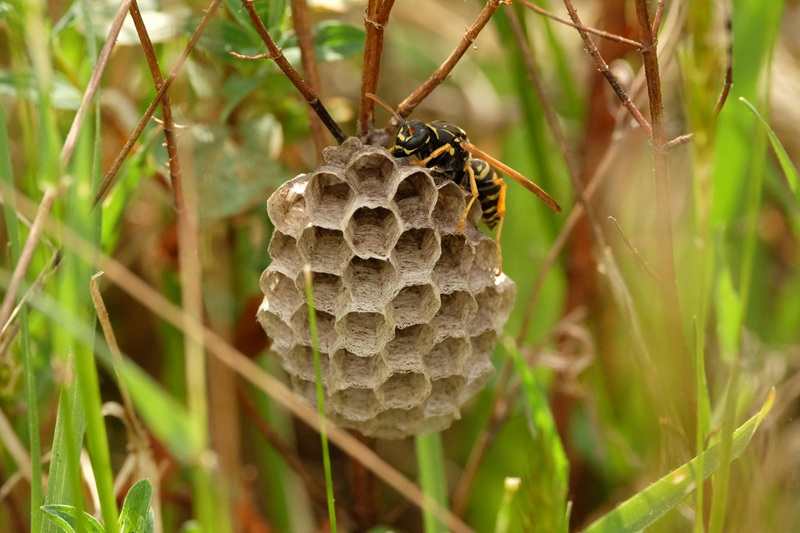
Did you know that around 70% of North America’s native bee species are ground-nesters? These little buzzing powerhouses are nature’s unsung heroes, digging tiny burrows in sunny patches of bare soil where they raise their young. By helping them find safe nesting spots right in your own garden, you’re not just boosting pollination, you’re actively increasing biodiversity and inviting more life and color into your outdoor space. Ready to roll up your sleeves and welcome these gentle pollinators? Let’s walk through a fun, step-by-step guide to creating a bee-friendly haven that both you and the bees will love!
Why Ground-Nesting Bees Are So Important
While honeybees often get the spotlight, many of our native bees prefer to live solo. Instead of hives, they tunnel underground to lay their eggs. These hardworking bees are absolutely essential for pollinating everything from wildflowers to your favorite garden veggies. Since they rely on undisturbed, bare soil to thrive, creating safe nesting areas in your yard can make all the difference. Think of it as giving them a cozy home while also supercharging your garden’s health.
Step 1: Pick the Perfect Spot
Ground-nesting bees are sun lovers! Choose a sunny, south-facing patch of well-drained soil in your garden. A bright, open space helps keep their burrows dry and warm. Skip soggy or shaded areas, wet soil can flood their tunnels. If you can, find a gently sloped spot to help rainwater drain away naturally.
Step 2: Prepare the Soil
These bees like soil that’s firm enough to hold a tunnel but not too dense. A simple recipe is mixing sand, gravel, and topsoil in a 4:2:1 ratio. Don’t have much yard space? No problem, you can create a mini bee haven using a planter box or a wooden frame. Lightly mist the soil with warm water and press it down just enough to give bees the right texture for digging.
Step 3: Create Nesting Holes
Once the soil is ready, it’s time to give your bee neighbors a head start. Use a pencil, dowel, or screwdriver to make holes about 8–13 millimeters wide, spaced roughly 2 centimeters apart. Vary the sizes a bit to attract different bee species. Each hole becomes a little nursery where new bees will grow safely underground.
Step 4: Add Flower Power
Food is just as important as shelter. Plant your nesting area close to a variety of flowers that bloom throughout the seasons. Think daisies, buttercups, thistles, fruit trees, and umbellifers (like Queen Anne’s lace and dill). Having a buffet right next to their home means bees spend less time flying around and more time pollinating your garden, win-win!
Step 5: Keep It Safe and Undisturbed
Once your bee sanctuary is set up, the best thing you can do is leave it alone. Avoid mulching the area heavily, as mulch blocks their digging. Try not to walk over the site often, and keep pesticides and herbicides far away from it. Chemicals and disturbances can harm the bees or reduce the plants they rely on for food.
Common Mistakes to Avoid
- Covering the soil with thick mulch, which makes it impossible for bees to burrow.
- Spraying pesticides or herbicides near the nesting site.
- Picking shaded or damp areas that discourage burrowing.
- Accidentally disturbing nests with foot traffic or gardening tools.
Signs of Bee Activity
Keep your eyes peeled! You’ll know your efforts are working when you spot small holes in the soil, little dirt mounds that look like oversized ant hills, or bees flying low and landing near the ground. If you notice new nesting spots popping up naturally, celebrate, you’ve created a pollinator-friendly environment that’s doing its job beautifully.
Picture the Magic
Imagine this: a golden morning in your backyard. Sunlight spills over a bare patch of earth where a mining bee disappears into the tunnel it carefully crafted. Around you, daisies sway in the breeze while other bees zip happily from flower to flower, spreading life as they go. It’s a tiny, fascinating world that you helped create, a living ecosystem buzzing with energy.
Start Your Own Bee Haven
Now that you know the steps, why not give it a try? Setting up a safe nesting space for ground-nesting bees is simple, rewarding, and a fantastic way to connect with nature. Share your progress with friends and neighbors, you might inspire them to do the same. Before you know it, your garden will be alive with color, movement, and the joyful hum of pollinators at work.
So go ahead, roll out the welcome mat for these vital little visitors. Your garden will thank you, and the bees will too!
This post is generated by ChatGPT