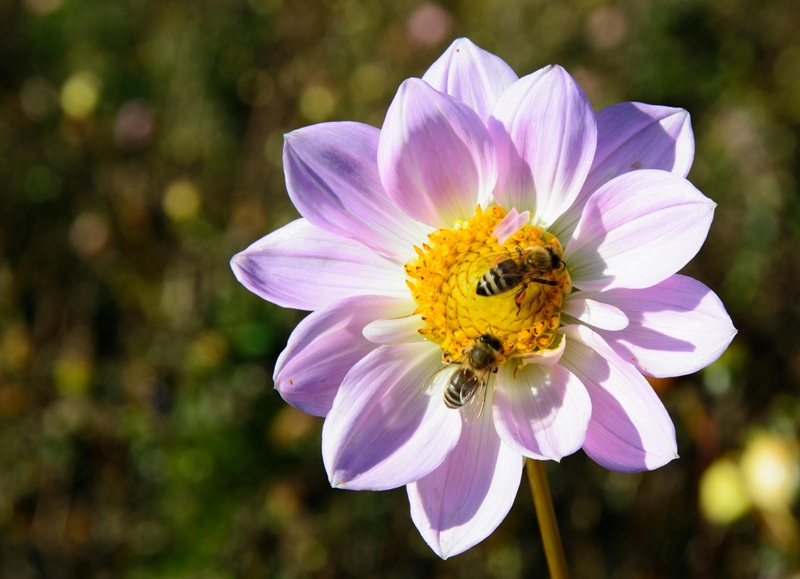
Bees aren’t just delightful little visitors fluttering through your garden—they’re absolutely vital! These tiny pollinators are behind the bloom of your favorite flowers, the fruits in your basket, and the overall balance of your garden’s ecosystem. But here’s the catch: pesticides, if used incorrectly, can put bees at serious risk.
If you want a thriving, beautiful garden and a safe haven for pollinators, it all comes down to how and when you apply pesticides. Let’s dig into the best ways to keep pests in check while giving your local bees the love and protection they deserve!
Why It’s So Important to Protect Bees
Bees are the unsung heroes behind nearly one-third of the food we eat. Yup—those apples, tomatoes, almonds, and vibrant bouquets owe a big thank you to these hardworking insects. But when pesticides are applied carelessly, bees can be poisoned directly or collect contaminated nectar and pollen from treated plants.
By being smart and selective with how you use pesticides, you’re not only keeping your garden healthy—you’re actively protecting biodiversity and helping the environment thrive. That’s what we call a garden win!
The Best Times to Apply Pesticides (Without Harming Bees!)
Timing makes all the difference. Bees are typically buzzing around from mid-morning through early afternoon, collecting nectar and spreading pollen. Want to avoid harming them? Follow these golden timing rules:
Apply Pesticides in the Early Morning or Late Evening
Bees head back to their hives before the sun rises and settle in again after sunset. Spraying during these times minimizes their exposure to harmful chemicals and gives your garden a safer window to receive treatments.
Avoid Spraying During Bloom
If a plant is blooming, chances are bees are all over it! Applying pesticides directly on flowers—even at the “right” time—can contaminate their food source. It’s best to wait until blooms have passed or treat non-flowering plants.
Choose Calm Weather Days
Windy conditions can carry pesticide droplets well beyond your target area, accidentally harming bees and other helpful insects. A calm, cool morning or evening is your best bet to avoid drift and increase safety.
Weather and Environmental Factors to Keep in Mind
Mother Nature doesn’t just impact your garden—she also plays a big role in pesticide safety:
- Steer Clear of Rainy or Overcast Days: Rain can wash chemicals into soil or puddles bees might sip from. Cloudy weather may also extend bee foraging time, making exposure more likely.
- Avoid High Temps: Heat can turn pesticides into vapor, increasing the chance they’ll drift where they shouldn’t.
- Mind the Wind: Even light breezes can spread spray unintentionally. Keep it under 5 mph for the safest results.
Choosing Bee-Friendly Pesticides
Not all pest control products are created equal—some are much safer for bees than others. Here’s how to make pollinator-smart choices:
Read Labels Closely
Watch for labels that mention toxicity to bees. Products marked “highly toxic to bees” should be used with extreme caution—or better yet, avoided altogether.
Pick Natural or Targeted Options
Consider eco-friendly options like neem oil, insecticidal soaps, or Bt (Bacillus thuringiensis). These tend to have less impact on non-target insects, including our buzzing buddies.
Limit Use of Systemic Pesticides
These are absorbed into a plant’s tissues, making nectar and pollen potentially dangerous to bees. Use only if truly necessary and avoid applying during flowering.
Practical, Bee-Friendly Pesticide Tips
You can keep your garden gorgeous and bee-friendly with these simple steps:
- Scout First: Before you spray, check to see if pests are actually present. Sometimes, a natural predator (like ladybugs) or manual removal will do the trick.
- Cover or Remove Flowers: When spraying, shield or temporarily remove blossoms to avoid contact with pollinators’ favorite snack spots.
- Coordinate with Beekeepers: Got hives nearby? Let beekeepers know before spraying—they may want to take protective measures.
- Use Spot Treatments Only: Avoid blanket applications. Just treat affected areas to limit the impact on the wider ecosystem.
- Dispose of Leftovers Properly: Never dump leftover chemicals in drains or soil. Follow your local hazardous waste guidelines to protect pollinators and the planet.
Real-Life Bee-Friendly Garden Practices
Picture this: It’s a peaceful summer evening, the sun’s just dipped below the horizon, and you’re gently misting neem oil over a few leaves—not a flower in sight. Your bees are safely tucked away, your plants are getting some protection, and the garden is thriving.
Or maybe it’s early morning, and you’re spot-treating an aphid outbreak with insecticidal soap, skipping over the blossoms entirely. The bees are starting to buzz—but their breakfast hasn’t been tainted.
Simple changes. Big results.
Finding the Balance: Pest Control + Pollinator Protection
We get it—you want your plants to thrive without pests munching on every leaf. But you also want to see bees buzzing happily, flowers in full bloom, and fruits developing beautifully. You can absolutely have both!
By timing your treatments, watching the weather, choosing safer products, and spraying carefully, your garden becomes a haven for pollinators and plants.
Imagine your garden not just surviving, but flourishing—alive with color, life, and that magical summer hum of happy bees at work.
Your Garden, Your Impact
You don’t need to be a scientist or a farmer to make a big impact on bee health. Just by making informed choices in your garden—like spraying at the right time or using gentler products—you’re helping pollinators thrive.
So next time a pest pops up, remember: calm weather, early or late spraying, and a little extra thought go a long way. Your garden will stay healthy, the bees will keep buzzing, and the planet will thank you.
Got a favorite bee-friendly gardening hack? Or maybe a question about your garden? Share it in the comments—we’d love to hear from you!
This post is generated by chatgpt