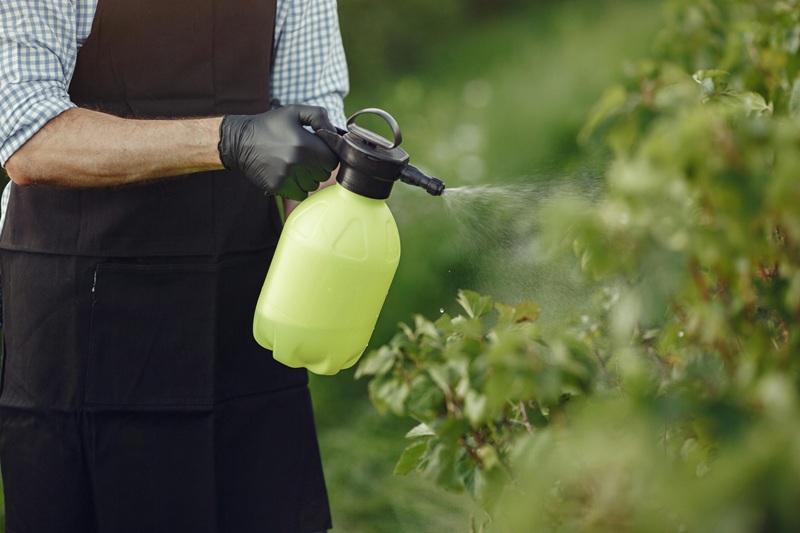
Gardening is more than just a hobby, it’s a joyful, hands-on way to connect with nature, grow your own fresh food, and create a peaceful outdoor sanctuary. But if you’ve ever battled with bugs munching your veggies, you’re not alone. The first instinct might be to grab a chemical pesticide, but those quick fixes can do more harm than good, harming pollinators, polluting the earth, and even affecting your well-being.
Here’s the exciting part: you don’t need chemicals to have a healthy, thriving garden! With some practical and eco-friendly strategies, you can grow a lush, productive garden that’s as kind to the planet as it is to your plants.
Let’s dig in (pun intended!) to the best natural ways to reduce pesticide use and help your garden bloom beautifully.
Companion Planting: Your Garden’s Dream Team
Imagine your plants working together as a team, supporting each other, warding off pests, and even improving flavor. That’s the magic of companion planting! It’s one of the easiest and most effective ways to protect your garden, naturally.
- Marigolds + Tomatoes = bye-bye nematodes and aphids.
- Basil near peppers or tomatoes = tastier harvests and fewer flies and mosquitoes.
- Nasturtiums = the decoy that lures aphids away from your main crops.
By mixing and matching the right plants, you create a diverse environment that confuses pests and invites helpful bugs in. Plus, it makes your garden look colorful and lively!
Invite Nature’s Helpers: Beneficial Insects to the Rescue
Don’t be too quick to squish that bug, many insects are actually your garden’s best allies. These natural predators help keep harmful pests in check so you don’t have to.
- Ladybugs devour aphids like they’re snacks.
- Praying mantises are pest-chomping machines.
- Lacewings love munching on caterpillars and mealybugs.
- Bees and butterflies aren’t pest controllers, but they’re essential pollinators.
Plant pollinator-friendly flowers like fennel, yarrow, cosmos, and dill to attract them. And skip broad-spectrum pesticides, those hurt the good bugs too!
Make Your Own Natural Repellents (Yes, Really!)
Who knew your kitchen could double as a pest control lab? You don’t need pricey or toxic sprays when nature provides everything you need.
- Garlic Spray: Blend garlic with water and a splash of soap, say goodbye to beetles, aphids, and spider mites.
- Peppermint Oil: A natural deterrent for ants, aphids, and flea beetles. Just dilute and spritz!
- Vinegar Spray: Great for weed control and repelling pests.
- Neem Oil: A garden MVP, it messes with pests’ life cycles without harming helpful bugs.
These easy-to-make, wallet-friendly solutions are safe, effective, and even fun to create.
Use Physical Barriers: Simple But Super Effective
Sometimes, the best way to stop pests is to literally keep them out. Physical barriers are a chemical-free, hands-on solution that gives you more control over your garden.
- Row Covers: Lightweight and breathable, they protect plants from bugs without blocking sunlight or rain.
- Mulch: Not only does it suppress weeds and keep soil moist, it can also deter pests like slugs.
- Sticky Traps: These bright yellow cards catch flying pests like whiteflies and gnats.
- Handpicking: It may sound old school, but manually removing caterpillars or beetles can be super effective, and oddly satisfying.
These methods are straightforward, sustainable, and a great way to stay in tune with your garden’s needs.
Build Healthier Soil for Stronger Plants
Healthy soil is like a force field for your plants. When your soil is full of nutrients and good microbes, your plants grow stronger, and strong plants naturally resist pests and disease.
Here’s how to boost your soil:
- Add compost regularly to feed the soil.
- Use organic fertilizers for a balanced nutrient mix.
- Practice crop rotation to keep pests guessing and your soil healthy.
- Try cover crops like clover or rye to boost fertility and structure.
Nurturing your soil means you’re nurturing everything that grows in it, including a pest-resistant paradise.
Advanced Organic Tricks: Microbial Pesticides & Biofumigation
If you’re ready to take things up a notch, there are some next-level, all-natural techniques that are surprisingly powerful.
- Microbial pesticides like Bacillus thuringiensis (Bt) are targeted bacteria that kill specific pests (like caterpillars) without harming the rest of your garden crew.
- Biofumigation uses cover crops like mustard or radish. When turned into the soil, they release natural compounds that suppress harmful soil pests.
These methods are fantastic for serious gardeners looking to take a big step toward sustainable, chemical-free gardening.
Discover JADAM: DIY Natural Pest Control on a Budget
Looking for an ultra-low-cost, science-backed solution? Meet JADAM, a Korean method that uses homemade pest solutions made from local ingredients and microbial cultures.
JADAM focuses on prevention, balance, and observation. It’s a powerful reminder that you don’t need to rely on store-bought products to create a thriving garden. With a bit of effort and experimentation, you can keep your garden healthy using materials you already have on hand.
Why Go Eco-Friendly? (Besides the Obvious)
Choosing eco-friendly gardening practices isn’t just a trend, it’s a commitment to your health, your community, and the Earth.
- You’ll protect pollinators like bees and butterflies.
- You’ll support beneficial insects that keep ecosystems balanced.
- You’ll help prevent chemical runoff into local water sources.
- You’ll grow healthier, pesticide-free produce for your family.
- You’ll create a resilient garden that thrives year after year.
Grow Green, Live Bright
You don’t have to sacrifice a beautiful, productive garden to reduce pesticide use. In fact, when you embrace eco-friendly techniques, your garden becomes even more vibrant, resilient, and rewarding.
So start small or go all in, try companion planting, invite the “good bugs,” whip up a homemade spray, or enrich your soil. Your garden will reward you with rich harvests, buzzing biodiversity, and the peace of mind that comes from growing green.
Ready to start your eco-gardening adventure? Grab your gloves, your compost bin, and that joyful gardener spirit, because nature-friendly gardening is the way to grow!
Have your own tips or tricks? Drop them in the comments, we’re all learning together. Let’s make our gardens greener, one seed at a time!
This post is generated by ChatGPT