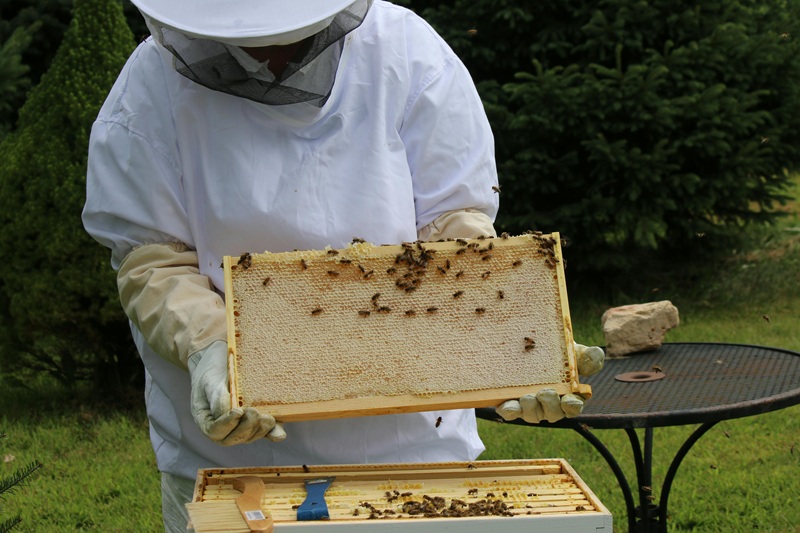
When we picture a beehive, it’s hard not to imagine the regal queen bee at its center. But she’s not just a figurehead with a fancy title; she’s the beating heart of the entire colony.
The queen bee plays a pivotal role in the survival, organization, and success of her hive. Let’s take a journey into the captivating world of the queen bee and uncover just how essential she is to the life of the colony.
The Queen Bee: More Than Just a Leader
While worker bees are busy darting through fields and gardens collecting nectar and pollen, the queen bee operates on a completely different level. She’s the hive’s sole fertile female and the mastermind behind its continued growth. A healthy queen can lay an astonishing 2,000 eggs per day at the height of the season! This remarkable ability fuels the hive’s future, ensuring there are always new bees ready to take on their roles.
But her power doesn’t stop at egg-laying. The queen also produces powerful chemical messengers known as pheromones. These act as the hive’s communication system, sending signals that regulate the behavior of worker bees. Her pheromones suppress the development of ovaries in other females, maintain order, and help keep everything running like clockwork. In essence, her invisible influence binds the entire colony together.
From Larva to Royalty: The Making of a Queen
So, what sets the queen apart from the thousands of other bees born in the hive? It all begins in the larval stage. While most larvae are fed a mixture of pollen and nectar, a potential queen is treated to an exclusive, nutrient-packed substance known as royal jelly. This magical food kickstarts her transformation, allowing her to grow larger, develop functioning ovaries, and prepare for her life as the hive’s matriarch.
Once she emerges from her special queen cell, things get even more dramatic. The young queen embarks on a mating flight, soaring into the sky to meet and mate with multiple drones. This one-time event gives her enough sperm to fertilize eggs for her entire life, several years, compared to the short few weeks of her worker sisters.
The Queen’s Influence on Hive Health
A strong, thriving queen means a strong, thriving hive. Her productivity and health are crucial indicators of how well the colony is doing. When she’s laying eggs consistently and releasing healthy pheromones, everything functions smoothly. But if she becomes old or infertile, the entire hive can begin to falter.
Worker bees may notice and begin preparing for her replacement, raising new queens to ensure the colony continues to flourish. Beekeepers pay close attention to the queen’s condition for this reason. Replacing a weak or aging queen can revitalize a hive and boost overall productivity and morale, yes, bees have morale, too!
The Queen as the Hive’s Symbol and Protector
The queen bee isn’t just the biological backbone of the colony, she’s also its symbol of unity and strength. She rarely leaves the hive, yet she is doted on endlessly by her worker bees. They feed her, clean her, and shield her from harm, ensuring she can continue her vital work without interruption.
This relationship is a beautiful example of teamwork in nature. While the queen leads through reproduction and pheromones, her thousands of loyal workers keep everything else running, guarding the hive, foraging for food, raising young, and building honeycombs. Each bee knows its job, and together, they function like one giant, well-oiled machine.
Why the Queen Bee’s Story Matters
Understanding the queen bee’s role isn’t just fascinating; it offers valuable insights into the delicate and complex social world of bees. One single bee influences the behavior and health of an entire colony. For beekeepers, recognizing the queen’s importance is crucial for effective hive management and sustaining healthy bee populations, which are key players in pollination and the maintenance of global ecosystems.
In short, the queen bee isn’t just the hive’s egg-layer; she’s its lifeblood. Her pheromones keep order, her presence maintains unity, and her eggs ensure continuity. She is truly the spirit of the hive, keeping everything balanced and alive.
So next time you hear the gentle hum of a beehive or spot bees busily working in your garden, remember the incredible queen bee quietly reigning at the center. Her influence might be unseen, but her impact shapes every part of hive life. It’s a stunning reminder of the magic of nature and the incredible power of leadership and cooperation.
This post is generated by ChatGPT