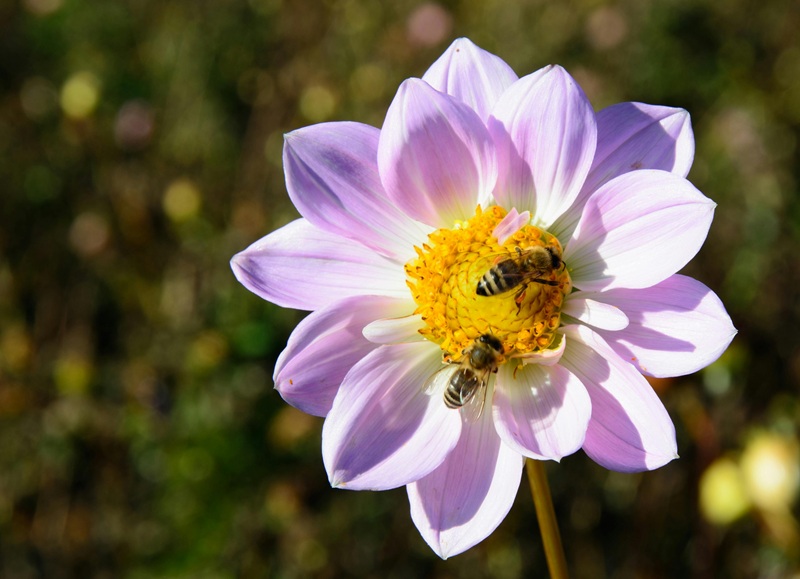
Want to make your garden a buzzing, blooming haven for bees? Planting the right flowers is one of the most rewarding ways to give back to nature while adding vibrant color and life to your outdoor space. Bees are essential pollinators that keep ecosystems thriving and our food supply strong, but their populations are facing serious challenges.
The good news? You can help! By choosing flowers that bloom in every season, you’ll create a year-round buffet for these hard-working pollinators. This guide will introduce you to the best flowering plants to attract and support bees, from early spring through late fall, and share tips for turning your space into a pollinator paradise.
Why Planting for Bees is a Big Deal
Bees depend on nectar and pollen from flowers to survive, and a steady supply throughout the year keeps them strong and healthy. Different species of bees prefer different plants, so having a diverse selection ensures that your garden is buzzing with life from spring to fall. Plus, bee-friendly gardens are a win-win: they boost biodiversity, help pollinate fruits and veggies, and turn your yard into a beautiful retreat.
Spring Stars: Wake-Up Call for the Bees
Spring is when bees begin to emerge after a long winter rest, and early flowers are crucial to give them the energy they need to get moving.
Crocus (Crocus spp.)
Blooms: Early spring
Description: Small, vibrant blooms in purple, yellow, or white
Growing Conditions: Full sun to partial shade, well-drained soil
Bee Benefits: One of the first nectar sources for early risers like bumblebees
Fun Fact: These little blooms are tough; they often bloom right through late snow!
Primrose (Primula vulgaris)
Blooms: Early to mid-spring
Description: Soft yellow flowers with a light, sweet scent
Growing Conditions: Partial shade, moist soil
Bee Benefits: Provides much-needed nectar and pollen before other flowers open up
Lungwort (Pulmonaria spp.)
Blooms: Early spring
Description: Speckled foliage with clusters of pink, blue, or white blooms
Growing Conditions: Shade to partial shade, moist soil
Bee Benefits: A favorite among early solitary bees and bumblebees
Summer Favorites: A Pollinator’s Paradise
Summer is prime time for bees, and your garden can become their favorite spot with these nectar-packed, colorful blooms.
Lavender (Lavandula spp.)
Blooms: Mid to late summer
Description: Fragrant purple spikes with silvery foliage
Growing Conditions: Full sun, well-drained soil
Bee Benefits: Loaded with nectar, honeybees and bumblebees can’t resist
Fun Fact: Lavender’s soothing scent is great for humans and a magnet for bees!
Bee Balm (Monarda didyma)
Blooms: Mid to late summer
Description: Bright, spiky flowers in red, pink, or purple
Growing Conditions: Full sun to partial shade, moist soil
Bee Benefits: A go-to for hummingbirds, honeybees, and bumblebees alike
Sunflower (Helianthus annuus)
Blooms: Summer to early fall
Description: Iconic golden blooms with dark centers
Growing Conditions: Full sun, well-drained soil
Bee Benefits: A rich source of both pollen and nectar, especially for native bees
Coneflower (Echinacea purpurea)
Blooms: Summer to early fall
Description: Purple-pink petals with raised orange centers
Growing Conditions: Full sun, well-drained soil
Bee Benefits: Long bloom time and nectar-rich blooms draw in a variety of bees
Fall Beauties: One Last Feast Before Winter
As the days grow shorter, fall flowers become critical for bees preparing for the colder months ahead.
Aster (Symphyotrichum spp.)
Blooms: Late summer to fall
Description: Cheerful daisy-like blooms in purple, white, or blue
Growing Conditions: Full sun to partial shade, adaptable soil
Bee Benefits: A reliable late-season food source
Goldenrod (Solidago spp.)
Blooms: Late summer to fall
Description: Vibrant yellow flower clusters
Growing Conditions: Full sun, well-drained soil
Bee Benefits: Loaded with nectar and pollen, especially important for native bees
Sedum (Sedum spp.)
Blooms: Late summer to fall
Description: Thick, succulent leaves with pink or red star-shaped flowers
Growing Conditions: Full sun, drought-tolerant
Bee Benefits: Attracts bees and butterflies late into the season
Bonus Picks: Trees and Shrubs That Bees Love
Don’t forget that trees and shrubs can be bee magnets, offering early-season blooms, nesting spots, and shelter.
Redbud (Cercis canadensis)
Blooms: Early spring
Description: Bare branches burst with rosy-purple flowers
Bee Benefits: One of the earliest nectar sources available for native bees
Serviceberry (Amelanchier spp.)
Blooms: Early spring
Description: White flowers followed by tasty berries
Bee Benefits: A springtime feast for early pollinators
Blueberry (Vaccinium spp.)
Blooms: Spring
Description: Bell-shaped flowers in white to soft pink
Bee Benefits: Attracts bumblebees, key pollinators for blueberry production
Tips for a Bee-Loving Garden
- Mix it up: Different shapes, sizes, and colors of flowers attract different bee species.
- Go organic: Skip pesticides and use natural pest control to keep your garden safe for bees.
- Add water: A shallow dish with pebbles or a muddy patch gives bees a place to sip and cool down.
- Make it homey: Leave some bare soil or old wood for bees that nest in the ground or cavities.
- Cluster blooms: Planting in bunches helps bees gather more food in less time.
Fun Bee and Bloom Facts
- Bees can see UV light, revealing flower patterns we can’t see, like nature’s hidden signs to nectar.
- Many flowers have timed their bloom schedules to match the activity of their favorite bee species.
- Bumblebees can “buzz pollinate” by vibrating flowers to shake out pollen, a cool trick honeybees can’t do!
Grow, Glow, and Help the Bees Thrive!
Creating a bee-friendly garden isn’t just a feel-good project; it’s a vital way to support pollinators and the planet. With every flower you plant, you’re helping to fuel the amazing work bees do in our ecosystems. So dig in, get your hands dirty, and enjoy the sights and sounds of bees buzzing around your garden. And don’t forget to spread the word, share your blooming success, and inspire others to plant with purpose. Together, we can create colorful, buzzing spaces where bees thrive all year long!
This post is generated by ChatGPT