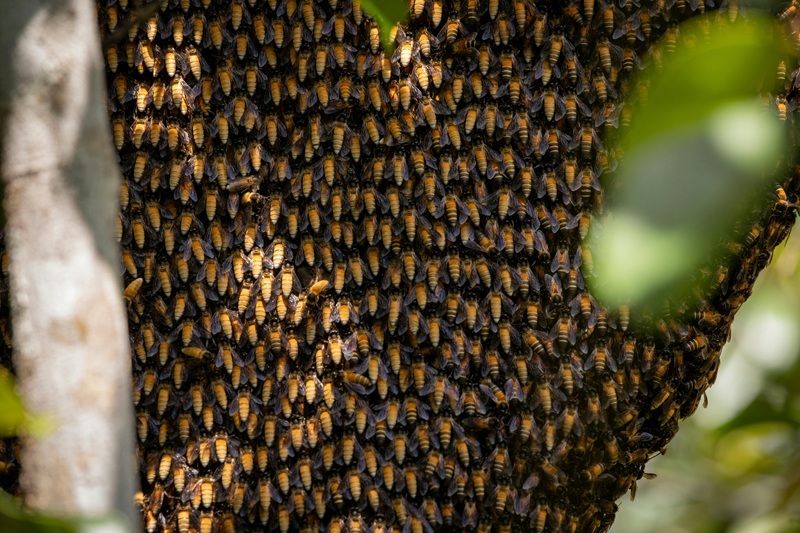
Bees are some of the most vital creatures on our planet, playing a crucial role in pollination and maintaining healthy ecosystems. However, bee populations face numerous challenges, including habitat loss and lack of food sources.
One effective way to support these pollinators is by planting trees that provide essential resources like pollen and nectar. This guide will explore the various tree species that are beneficial for bees, highlighting their unique characteristics and how they contribute to a thriving bee population.
Beneficial Tree Species
Trees offer a wide range of benefits for bees, from early-season pollen to late-summer nectar. Here are some of the most beneficial tree species for pollinators:
Willows (Salix spp.)
- Early Bloomers: Willows are among the first trees to bloom in spring, providing a vital source of pollen for bees when other food sources are scarce.
- Pollen-Rich: Their catkins are packed with protein-rich pollen, essential for building bee colonies.
- Adaptability: Willows thrive in a variety of conditions, making them suitable for different climates and soil types.
Lindens (Tilia spp.)
- Nectar Abundance: Lindens are renowned for their fragrant flowers, which are rich in nectar. This makes them a favorite among bees, particularly in late summer when other nectar sources may be dwindling.
- Pollinator Magnet: The sweet scent of linden flowers attracts a wide range of pollinators, including bees, butterflies, and hummingbirds.
- Shade Provider: Lindens offer dense shade, creating a comfortable environment for bees to forage and nest.
Maples (Acer spp.)
- Early-Season Pollen: Maples provide an early source of pollen for bees, helping to sustain colonies during the spring.
- Sap and Nectar: Some maple species, like the sugar maple, offer sap that bees can collect for energy, and their flowers provide nectar-rich blooms.
- Diversity: With over 100 species, maples offer a variety of options for different climates and landscapes.
Fruit Trees (Prunus, Malus, Pyrus)
- Pollination Partners: Fruit trees rely on bees for pollination, making them a mutualistic relationship. Bees visit blossoms for nectar and pollen, facilitating fruit production.
- Seasonal Variety: Different fruit trees bloom at various times, providing a staggered source of food for bees throughout the growing season.
- Cultivation Ease: Many fruit trees are easy to cultivate and maintain, making them accessible for gardeners and orchardists.
Other Beneficial Trees
- Black Locust (Robinia pseudoacacia): Known for its fragrant flowers, black locust is a favorite among bees for its abundant nectar.
- Redbud (Cercis canadensis): This tree offers vibrant flowers that are rich in nectar and pollen, attracting a variety of pollinators.
- Tulip Poplar (Liriodendron tulipifera): While not as commonly recognized, tulip poplar flowers provide nectar for bees, especially in woodland environments.
Native vs. Non-Native Trees
When selecting trees to support local bee populations, it’s crucial to consider the importance of native species.
Benefits of Native Trees
- Local Adaptation: Native trees are naturally adapted to the local climate and soil conditions, ensuring they thrive with minimal maintenance.
- Pollinator Preference: Bees often prefer native trees because they have co-evolved with these species over time, making them more effective at providing the necessary resources.
- Biodiversity Support: Native trees support a broader range of local biodiversity, including other pollinators and wildlife.
Examples of Native Trees
- Eastern Redbud (Cercis canadensis): Native to eastern North America, this tree is a valuable source of early-season nectar and pollen.
- Black Cherry (Prunus serotina): Found throughout much of North America, black cherry provides nectar and pollen while supporting local ecosystems.
Practical Tips for Gardeners
If you’re interested in supporting local bee populations by planting beneficial trees, here are some practical tips to get started:
Choose the Right Trees
- Climate Considerations: Select trees that are well-suited to your local climate and soil type.
- Space Availability: Consider the mature size of the tree to ensure it fits your garden or landscape.
Planting and Maintenance
- Proper Planting: Follow best practices for planting trees, including choosing healthy specimens and preparing the soil appropriately.
- Ongoing Care: Maintain trees with regular watering, pruning, and fertilization to ensure they remain healthy and productive.
Create a Bee-Friendly Environment
- Diverse Plantings: Combine trees with other bee-friendly plants, such as flowers and shrubs, to create a diverse and supportive ecosystem.
- Avoid Pesticides: Refrain from using pesticides, which can harm bees and other beneficial insects.
Trees play a vital role in supporting bee populations by providing essential resources like pollen and nectar. By planting beneficial tree species, gardeners and landowners can contribute to the health and resilience of local ecosystems. Whether you’re a seasoned gardener or just starting out, creating a bee-friendly environment is a rewarding way to make a positive impact on the environment. So, take the first step today and plant some trees that will become the best friends of your local bees!
This post is generated by chatgpt