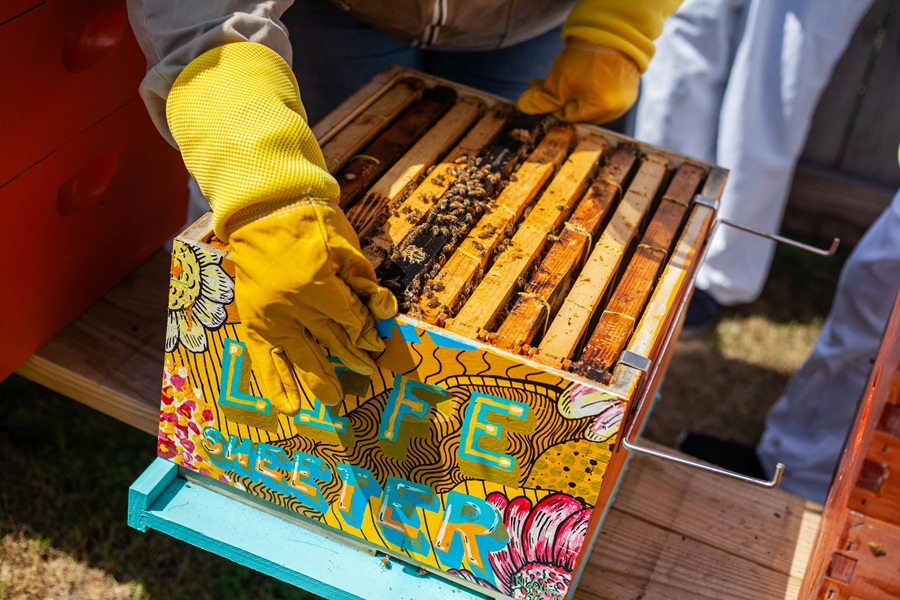
Bees are nature’s unsung heroes, silently performing a task vital to our ecosystems. As the primary pollinators of the plants that yield our favorite fruits, vegetables, and nuts, they help ensure a steady supply of food.
Unfortunately, these hardworking creatures are facing a crisis, with their populations rapidly declining due to habitat loss, pesticides, climate change, and disease. But the good news is—you can make a real difference! In this blog, we’ll share exciting ways you can get involved in local bee conservation efforts and help secure a bright future for these essential pollinators.
The Importance of Bees
Before we dive into how you can help, let’s take a moment to truly appreciate just how vital bees are to our world. According to the Food and Agriculture Organization (FAO), bees are responsible for pollinating more than 75% of the world’s flowering plants, and around 35% of global food production.
This includes many of our beloved foods—apples, almonds, blueberries, cucumbers—you name it! Without bees, our meals would look a lot different, and countless crops would be at risk of failing.
Yet, bee populations are in trouble. Habitat destruction from urbanization and large-scale farming practices is shrinking their food sources. Harmful pesticides are a constant threat, and climate change is throwing off the delicate balance of their habitats. But the great news is, there’s so much we can do to reverse these trends!
1. Volunteer with Local Organizations
One of the most impactful ways you can make a difference is by volunteering with local organizations that focus on bee conservation. Groups like The Bee Conservancy, Xerces Society, and Pollinator Partnership often offer volunteer opportunities for a wide range of projects—from planting native flowers to creating bee habitats in local parks or community gardens.
When you volunteer, you don’t just contribute to bee conservation—you also become part of a vibrant community of like-minded individuals who share your passion for protecting these essential insects. Imagine spending the day planting wildflowers alongside fellow bee-lovers or getting your hands dirty as you help create new habitats in your neighborhood!
2. Create Bee-Friendly Habitats
You don’t need a sprawling garden to help bees; even small spaces can become safe havens! Transform your yard, balcony, or windowsill into a bee-friendly paradise with these simple steps:
- Plant Native Flowers: Choose a variety of native flowering plants that bloom at different times throughout the season. This way, bees have a constant source of food. Some great choices are coneflowers, bee balm, lavender, and sunflowers.
- Provide Water: Bees need water too! Set up shallow water sources with dishes of pebbles or stones to give bees a safe place to drink.
- Create Nesting Sites: Solitary bees love nesting in hollow stems or even the ground. Leave patches of bare soil for ground-nesting bees or consider adding a bee hotel to your garden to provide cozy spaces for cavity-nesting species.
3. Participate in Citizen Science Projects
Citizen science is a fantastic way for anyone to contribute to bee conservation research. Through projects like BeeSpotter and iNaturalist, you can help collect important data on local bee populations and their diversity. Simply grab your camera or smartphone, document the bees you spot in your garden or local parks, and share your findings.
Your observations will aid scientists in tracking bee trends, and who knows—you might even discover a new bee species in your neighborhood! It’s an exciting, fun way to get involved while learning more about these fascinating creatures.
4. Support Local Beekeepers
By supporting local beekeepers who prioritize sustainable practices, you’re directly helping protect bee populations. Instead of buying mass-produced honey from the supermarket, opt for locally sourced honey and other bee products.
Supporting local beekeepers not only ensures that you get high-quality products, but it also helps maintain healthy bee populations. Many local farmers’ markets feature beekeepers who are more than happy to share their knowledge on sustainable beekeeping practices. When you buy local honey, you’re contributing to a healthier environment for bees and promoting biodiversity in your community.
5. Advocate for Pollinator-Friendly Policies
Want to make a bigger impact? Engage with your local government to support policies that protect bees and other pollinators. Advocate for sustainable land use practices and policies that reduce the use of harmful pesticides in public spaces.
Attend town hall meetings, write letters to your elected representatives, or get involved in local campaigns that focus on environmental protection. Your voice can inspire real change—so don’t be afraid to speak up for the bees!
6. Educate Others
Spreading the word about bee conservation is one of the most powerful tools we have. Hosting workshops at schools, community centers, or even in your own home can help raise awareness about bees and the importance of protecting them. Social media is another great platform to share bee-friendly tips, articles, and your personal conservation journey.
The more people who understand the challenges bees face, the more likely they are to take action. So let’s spread the buzz far and wide and encourage others to get involved!
7. Attend Workshops and Events
Looking for even more ways to learn and engage with others? Many organizations host workshops, talks, and events centered around bee conservation, where you can connect with fellow enthusiasts and gain valuable knowledge. Check out your local botanical gardens, nature centers, or community organizations for events that focus on pollinator health.
These events often offer hands-on learning experiences, like gardening tips for attracting bees or even beginner beekeeping classes. Whether you’re looking to expand your knowledge or simply meet other bee advocates, there’s no better place to start than with these community gatherings.
Every Effort Counts!
Getting involved in bee conservation efforts is not just a rewarding experience—it’s a crucial step toward ensuring the survival of these vital pollinators. Whether you volunteer with local organizations, create bee-friendly habitats at home, participate in citizen science, or advocate for important policy changes, every effort counts!
By joining the buzz today, you’re making a positive impact on the future of bees and the planet as a whole. Together, we can create thriving ecosystems where bees flourish alongside us. So let’s roll up our sleeves and get started—our buzzing friends need us now more than ever!
Related video:
This post is generated by Chatgpt