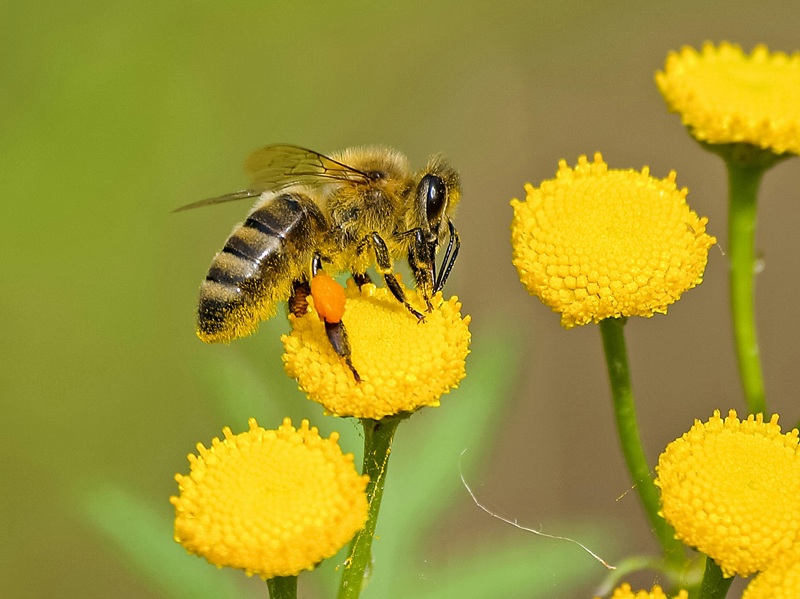
As gardeners, we cherish the beauty and bounty of our plants. But there’s one group of tiny heroes we can’t afford to overlook—pollinators! Bees, butterflies, and hummingbirds are essential to our ecosystem, helping plants grow and ensuring we have delicious fruits and vegetables to enjoy. However, these vital creatures face serious threats from habitat loss, climate change, and harmful pesticides.
But don’t worry! You don’t have to choose between a thriving garden and protecting pollinators. In this blog, we’ll explore the safest pesticide options for your bee-friendly garden and share simple yet effective tips to create a haven for these incredible creatures.
Why Pollinators Matter
Can you imagine a world without apples, blueberries, or almonds? Pollinators make these foods possible! In fact, bees alone are responsible for pollinating about one-third of the world’s crops. Without them, our gardens—and our diets—would look very different.
Unfortunately, pollinator populations are in serious decline. Factors like habitat destruction, pesticides, and climate change are making it harder for these creatures to survive. But here’s the good news: as gardeners, we have the power to make a real difference. By making pollinator-friendly choices, we can create safe, flourishing spaces for bees and their fellow pollinators.
How Pesticides Affect Pollinators
Pesticides help control harmful pests, but they can also be dangerous for bees. Some, like neonicotinoids, are absorbed by plants and show up in nectar and pollen. This exposure can weaken bees’ immune systems, affect their navigation skills, and even lead to colony collapse disorder—where entire bee colonies suddenly disappear.
The good news? There are safer alternatives that protect your plants without putting pollinators at risk. Let’s explore them!
The Problem with Neonicotinoids
Neonicotinoids are a widely used class of insecticides, but they’re also among the most harmful to bees. These chemicals stay in plant tissues, making nectar and pollen toxic to pollinators. Because of their devastating effects, many countries, including those in the European Union, have banned their outdoor use. To keep your garden pollinator-friendly, steer clear of these chemicals!
Bee-Safe Pesticides for Your Garden
Sometimes, pest problems get out of hand, and you might need a little extra help. The key is to choose pesticides that are effective against pests but gentle on pollinators. Here are some great options:
- Garlic Spray: A natural repellent, garlic spray keeps pests away without harming bees. Simply blend garlic cloves with water and spray it on your plants.
- Kaolin Clay: This natural mineral powder forms a protective barrier on plants, discouraging pests while keeping pollinators safe.
- Corn Gluten: An organic pre-emergent herbicide, corn gluten prevents weeds and deters pests without harming bees.
- Bacillus Thuringiensis (Bt): A naturally occurring bacterium that targets specific pests without affecting bees. Just use it sparingly to avoid unintended harm to beneficial insects.
Pesticides to Avoid in a Bee-Friendly Garden
Some pesticides are just too dangerous for pollinators and should be avoided completely:
- Neonicotinoids: Highly toxic to bees, these should never be used in pollinator-friendly gardens.
- Pyrethrins: Even though they come from chrysanthemum flowers, pyrethrins are toxic to bees and other beneficial insects.
- Spinosad: While organic, this pesticide can still harm bees, especially if applied when they’re actively foraging.
- Insecticidal Dusts: These can easily drift onto flowers, making them hazardous to pollinators.
How to Use Pesticides Without Harming Bees
If you must use a pesticide, here’s how to minimize its impact on pollinators:
- Apply During the Right Time: Spray pesticides early in the morning or late in the evening when bees are less active.
- Choose Granular Formulations: These are less likely to drift onto flowers compared to sprays or dusts.
- Avoid Drift: Be mindful of nearby flowering plants and water sources to prevent contamination.
Natural Pest Control Alternatives
Before reaching for pesticides, try these eco-friendly pest control methods:
- Companion Planting: Certain plants naturally repel pests. For example, basil deters aphids, while marigolds keep nematodes at bay.
- Beneficial Insects: Introduce ladybugs, lacewings, and praying mantises to your garden—they’ll happily feast on pests for you!
- Physical Barriers: Use row covers or fine mesh to protect plants from pests while keeping pollinators safe.
Creating a Pollinator Paradise
A truly pollinator-friendly garden goes beyond avoiding harmful pesticides—it’s about creating a space where these creatures can thrive! Here’s how:
- Plant Native Flowers: Native plants attract local pollinators and provide nectar and pollen year-round.
- Avoid Pre-Treated Plants: Many nursery plants come treated with systemic pesticides like neonicotinoids. Choose organic, untreated plants instead.
- Provide Shelter and Water: Create diverse habitats with shrubs, wildflowers, and small water features to support a variety of pollinators.
Let’s Protect Pollinators Together!
You don’t have to be a scientist or beekeeper to make a difference. Here are a few simple ways to help protect pollinators:
- Educate Others: Share what you’ve learned with friends, family, and fellow gardeners.
- Support Local Beekeepers: Buy honey from local beekeepers who use sustainable practices.
- Get Involved: Join community gardening projects or pollinator protection initiatives.
Want to Learn More?
Here are some great resources to deepen your knowledge:
- Xerces Society: A leading organization dedicated to pollinator conservation.
- Beyond Pesticides: Provides valuable insights into organic pest management and advocacy for safer pesticide policies.
Final Thoughts
By making small changes in how we garden, we can create safe havens for pollinators and help reverse their decline. Choosing safer pesticides, using natural pest control methods, and designing pollinator-friendly spaces are simple yet powerful ways to make a real impact. Every flower you plant, every pesticide you avoid, and every bit of awareness you spread contributes to a healthier planet for pollinators—and for us all!
So, let’s roll up our sleeves, get planting, and make our gardens a buzzing, blooming paradise! Happy gardening!
This post is generated by ChatGPT