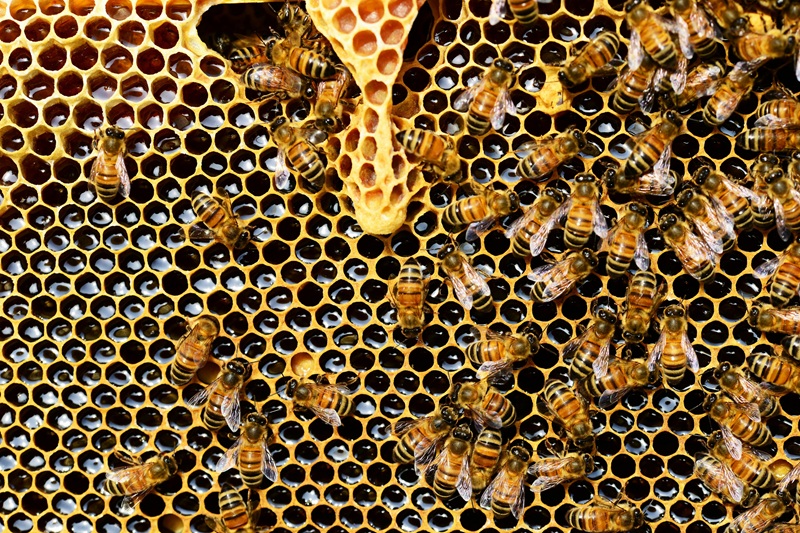
Honey bees are nature’s little superheroes, buzzing with energy and purpose. These tiny creatures play a massive role in pollination, keeping our gardens blooming and our food supply thriving.
But have you ever wondered how a honey bee transforms from a microscopic egg into a hardworking member of the hive? Buckle up as we take you on an exciting journey through the life cycle of a honey bee!
Meet the Amazing Honey Bees
Honey bees aren’t just about making honey—they’re essential for our planet’s ecosystems. Without them, many of our favorite fruits, vegetables, and flowers would struggle to survive.
What makes these little pollinators so incredibly efficient? It all starts with their fascinating life cycle and the well-organized colony they call home.
Inside the Hive: A Busy Bee Society
A honey bee colony is like a buzzing metropolis, where every bee has a role to play. There are three main castes, each with a specific job that keeps the hive running smoothly:
- The Queen: The reigning monarch of the hive, she’s the largest bee and the only one capable of laying eggs—up to 2,000 a day! Queens can live for several years, ensuring the hive’s continuity.
- The Workers: These female bees are the hive’s multitasking powerhouses. From foraging and feeding young bees to building honeycombs and guarding the entrance, they do it all! In summer, they live for about six weeks, tirelessly working to support the colony.
- The Drones: The sole mission of these male bees? To mate with a queen. They don’t gather nectar, make honey, or defend the hive, and by fall, they’re usually kicked out as the hive prepares for winter.
The Four Stages of a Honey Bee’s Life
The transformation from egg to adult bee is nothing short of magical. This journey happens in four key stages: egg, larva, pupa, and adult.
Stage 1: The Egg – The Tiny Beginning
It all starts when the queen lays her eggs in the perfectly crafted honeycomb cells. Each egg is about the size of a grain of rice—small but mighty! The queen decides the destiny of each bee by either fertilizing the egg (which will develop into a worker or another queen) or leaving it unfertilized (which will become a drone).
Stage 2: The Larva – A Growing Appetite
After just three days, the eggs hatch into hungry larvae. These tiny, white, worm-like creatures are completely dependent on nurse bees, which feed them a special diet. Future queens receive an exclusive meal of royal jelly, while workers and drones get a mix of pollen and nectar called bee bread. This crucial stage lasts about five days, during which the larvae grow rapidly, shedding their skin multiple times.
Stage 3: The Pupa – The Big Transformation
At this stage, the larva builds a cozy cocoon and undergoes a stunning metamorphosis. Inside, incredible changes take place: wings develop, legs form, and the bee’s signature fuzzy body takes shape. This transformation lasts different durations depending on the bee’s role—workers emerge in about eight days, queens in seven, and drones in around twelve.
Stage 4: The Adult Bee – Ready for Action!
When the fully developed bee finally emerges, it’s soft-bodied and slightly wobbly. But within hours, it gains strength and starts contributing to the hive. Young worker bees begin their lives with housekeeping duties—cleaning cells, feeding larvae, and tending to the queen. As they mature, they graduate to more adventurous tasks like building the hive, foraging for food, and even standing guard at the entrance.
The Queen’s Vital Role
The queen isn’t just royalty—she’s the foundation of the colony. She takes one grand mating flight early in her life, collecting enough sperm from drones to fertilize eggs for years.
When she starts aging or her pheromones weaken, the colony instinctively prepares for her successor by feeding royal jelly to a select larva, ensuring the hive’s survival.
Worker Bees: The Unsung Heroes
Worker bees are the true backbone of the hive. They take on various roles as they age:
- Nurse Bees: Care for and feed larvae.
- Housekeepers: Keep the hive clean and well-maintained.
- Guard Bees: Protect the hive from intruders.
- Forager Bees: Travel up to 15 miles a day to collect nectar and pollen.
They work tirelessly, and while their summer lifespan is short, their impact is enormous.
Drones: The Royal Suitors
Unlike their hardworking sisters, drones have just one purpose: mating. If they succeed in mating with a queen, they die soon after. If they don’t, they spend the summer enjoying the hive’s resources—until fall, when they are evicted to conserve food for the colony.
Fascinating Honey Bee Facts
- Waggle Dance Magic: Honey bees communicate food locations through an intricate dance called the “waggle dance.”
- Hive Climate Control: Bees maintain an internal hive temperature of around 92°F (33°C) by fanning their wings and using water evaporation.
- Super Flyers: A foraging bee can visit up to 5,000 flowers a day and travel up to 15 miles!
Final Buzz: Why Honey Bees Matter
The journey of a honey bee—from egg to buzzing worker—is an incredible feat of nature. Every stage is essential, and the teamwork within a colony ensures the hive’s survival. These tiny creatures do so much more than make honey; they’re vital for pollination, food production, and biodiversity.
So next time you see a honey bee buzzing around your garden, take a moment to appreciate its journey. From a minuscule egg to a hive hero, honey bees are true wonders of the natural world!
This post is generated by chatgpt